
Vlog and Blog Difference | How to Earn More NOW

Disclosure: This post may contain affiliate links, meaning if you decide to make a purchase through my links I may earn a commission at no additional cost to you. See my disclosure for more info.
Build A Smarter Online Business
Want to turn your content into traffic, income, and long-term freedom? Start with the guides built to help you grow smarter.
Explore Online Business Guides →Have you ever wondered what is thevlog and blog difference and should you get involved with this?
In the world of digital content, knowing the difference between a blog and a vlog is crucial for creators and consumers alike. Blogs, rooted in written content, offer a platform for sharing thoughts, stories, and information through text.
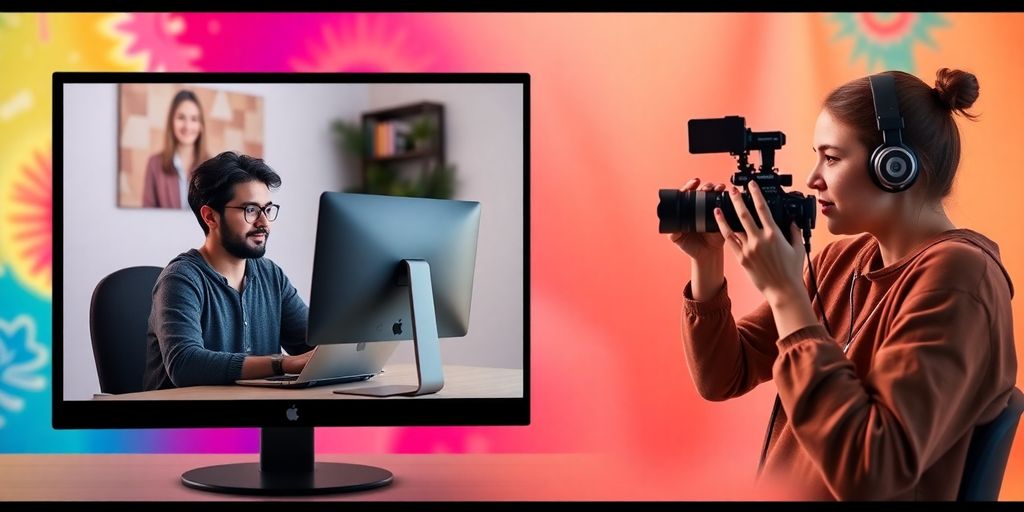
On the other hand, vlogs, or video blogs, bring these elements to life with visuals and sound, often hosted on platforms like YouTube. While both serve similar purposes, the approach to content creation, audience interaction, and monetization can vary greatly. Let’s explore the key takeaways to understand these differences better.
Post Takeaways
- Blogs are text-based and often include articles, stories, or essays, while vlogs are video-based.
- Creating a blog typically requires writing and editing skills, whereas vlogging demands video production and editing skills.
- Blogs can be easily started with minimal equipment, but vlogs often require cameras, microphones, and editing software.
- Audience engagement in blogs happens through comments and text interactions, while vlogs engage through likes, comments, and video responses.
- Monetization opportunities exist for both, but the methods and platforms may differ.
Back to How to Blog and Make Money
Understanding vlog and blog difference
Defining Blogs and Vlogs
Blogs and vlogs serve as platforms for sharing content, but they do so in fundamentally different ways. A blog is a text-based medium, where writers publish articles, stories, or opinions. These entries are often complemented by images or infographics to enhance understanding.
On the other hand, a vlog is a video-based platform, where creators share their content through videos. This format allows for a more dynamic presentation, as viewers can see and hear the vlogger, creating a more personal connection.
Content Format and Medium
The core distinction between blogs and vlogs lies in their content format. Blogs are primarily composed of written content, sometimes accompanied by images or multimedia elements. They cater to audiences who prefer reading and in-depth analysis.
Vlogs, however, rely on video to convey their message, appealing to those who enjoy visual and auditory storytelling. Vlogs are typically hosted on platforms like YouTube or TikTok, while blogs are found on websites or blogging platforms.
Audience Engagement Methods
Engagement methods vary significantly and make the vlog and blog difference evident. Blogs often engage readers through comments and discussions, allowing for text-based interactions.
Ready To Build More Traffic And Income?
Use Internet of Business to learn blogging, SEO, affiliate marketing, passive income, and digital business systems that compound over time.
Start Building Your Digital Income →Social media sharing also plays a role in spreading blog content. Vlogs, however, engage viewers through likes, comments, and video responses. The ability to see and hear the creator adds a layer of intimacy, fostering a stronger connection. Live streaming options on platforms like YouTube further enhance real-time interaction with the audience.
The choice between blogging and vlogging often depends on the creator’s strengths and the type of connection they wish to establish with their audience. While blogs excel in delivering detailed written content, vlogs offer a more immersive, personal experience.
Content Creation Processes
Blogging Workflow
Creating a blog starts with an idea. This idea usually comes from audience interests, trending topics, or just something the blogger is passionate about. Once the topic is set, the writing begins. It’s all about crafting words into something engaging and informative. A good blog post isn’t just about writing; it’s about storytelling. After the writing, there’s the editing. This step is crucial to polish the content, fix grammar, and ensure clarity. Finally, bloggers add images or infographics to make the post visually appealing.
Vlogging Workflow
Vlogging is a bit more complex. It all starts with brainstorming video ideas that will click with viewers. Once the concept is ready, the vlogger writes a script or at least an outline. Filming comes next, which might involve several takes to get things just right. After capturing the footage, the real work begins—editing. This involves cutting, trimming, and adding effects to create a smooth, engaging video. Music and graphics often play a big role in keeping viewers hooked.
Tools and Equipment Needed
For blogging, the essentials are pretty straightforward: a computer and a reliable internet connection. Some bloggers also use software for image editing to enhance their posts. On the flip side, vlogging requires more gear. At the very least, a decent camera or smartphone, a tripod, and video editing software are necessary. As vloggers get more serious, they might invest in better microphones, lighting equipment, and editing tools to improve video quality.
Blogging and vlogging both have their unique processes and tools. While blogging leans heavily on writing skills, vlogging demands a flair for video production. Each has its own set of challenges but also offers creative freedom to express ideas in different ways.
Audience Interaction and Engagement

Commenting and Feedback
When it comes to interacting with an audience, blogs and vlogs have their unique ways. Blogs often rely on the comment section for readers to share their thoughts. This space allows for detailed feedback and encourages discussions, which can help engage a blog audience effectively.
Bloggers can respond to comments, creating a dialogue that builds a sense of community. On the other hand, vlogs thrive on immediate reactions. Viewers can leave comments, likes, and even dislikes, giving vloggers a quick snapshot of audience sentiment. This instant feedback loop is crucial for vloggers to adjust content and keep their audience engaged.
Social Media Integration
Both blogs and vlogs benefit from social media, but they do so in different ways. For bloggers, sharing posts on platforms like Twitter or Facebook can drive traffic and increase visibility. It’s about reaching a wider audience and encouraging shares to spread the word.
Vloggers, however, often use platforms like Instagram or TikTok to tease new content or share behind-the-scenes clips. This not only promotes the vlog but also gives a personal touch, making audiences feel more connected. Social media becomes a bridge, bringing content to where the audience already spends time.
Building a Community
Creating a community around your content is key, whether you’re blogging or vlogging. For bloggers, this might mean fostering a loyal readership that regularly returns to your site, engaging with your posts and sharing them with others. This can be achieved through consistent, quality content and active engagement in the comments.
Vloggers, meanwhile, might focus on building a subscriber base on platforms like YouTube. Subscribers are more likely to watch new videos, comment, and even participate in live streams. Both mediums aim to create a space where audiences feel involved and valued.
Building a community isn’t just about numbers; it’s about creating a space where people feel heard and valued. Whether through thoughtful blog posts or engaging vlogs, the goal is to connect on a personal level.
Monetization Opportunities
Revenue Streams for Bloggers
Bloggers have a variety of ways to earn money from their content. Advertising is a common method, where you can partner with ad networks like Google AdSense to display ads on your blog. Every click or view can earn you a small fee. Another popular option is affiliate marketing.
Here, you promote products or services and earn a commission for each sale made through your referral links. Additionally, bloggers can sell digital products such as ebooks, courses, or even exclusive content through memberships. Some bloggers also offer consulting services or write for other publications, adding more revenue streams to their portfolio.
Earning Potential for Vloggers
Vloggers primarily earn through platforms like YouTube. Joining the YouTube Partner Program allows vloggers to make money from ads shown on their videos. Sponsorships are another lucrative avenue; companies may pay vloggers to showcase their products within their content.
Vloggers can also offer subscription services through platforms like Patreon, where fans pay for perks like early access to videos. Donations through services like Buy Me a Coffee can also provide financial support from dedicated viewers.
Comparing Financial Viability
When it comes to financial viability, both blogs and vlogs have their advantages. Blogs can generate income through five primary methods, including advertisements and affiliate links. Vlogs, on the other hand, can quickly go viral, potentially leading to rapid income growth.
However, the effort and time required to build a substantial following can vary greatly between the two. Ultimately, the choice between blogging and vlogging should align with your personal strengths and the type of content you enjoy creating.
Technical and Creative Challenges
Learning Curves in Blogging
Blogging might seem straightforward at first glance, but there’s a lot more to it than just typing out your thoughts. Mastering the art of blogging involves honing strong writing skills, understanding SEO basics, and learning how to format posts effectively. These skills help make your content not only readable but also findable in the vast sea of online information. While the technical side might involve setting up a website and learning to use a content management system, the real challenge often lies in keeping your content engaging and relevant to your audience.
Vlogging Production Skills
Vlogging, on the other hand, is a whole different beast. It’s not just about hitting record on a camera. You need a mix of skills: on-screen presence, scriptwriting, filming techniques, and video editing. The technical demands can be high, with a need for equipment like cameras, microphones, and editing software.
Editing itself is an art form, requiring you to cut, trim, and piece together footage in a way that tells a compelling story. This complexity can be daunting but also rewarding, as it allows for a more dynamic and engaging way to connect with your audience.
Overcoming Barriers to Entry
The barriers to starting a blog are relatively low. A computer and an internet connection can get you going. In contrast, vlogging often requires a higher initial investment in equipment and software. This can be a hurdle for many aspiring vloggers.
However, once these barriers are overcome, the potential for audience engagement and growth can be significant, especially as video content continues to rise in popularity. It’s worth noting that while vlogging can seem intimidating, the skills you develop can open doors to new opportunities in digital content creation.
Blogging and vlogging each present unique challenges, yet they also offer distinct paths for creativity and expression. Whether you prefer the written word or the visual medium, both platforms require dedication and a willingness to learn new skills. As digital content continues to evolve, these challenges will shape the future of blogging and vlogging, leading to exciting new trends and opportunities.
Personal Connection and Storytelling
Expressing Personality in Blogs
Blogging is like having a personal diary, but one you share with the world. Writers can pour their thoughts, opinions, and experiences into their posts, creating a unique voice that readers can connect with. The beauty of blogs lies in their ability to convey the writer’s personality through words.
Whether it’s humor, seriousness, or a mix of both, a blog allows the author to express themselves fully. Lists, anecdotes, and even a bit of sarcasm can make a blog post feel like a conversation with a friend. This written connection can be powerful, especially when readers see their own thoughts reflected in the text.
Visual Storytelling in Vlogs
Vlogs take storytelling to a whole new level by adding visuals and sounds. Here, the creator’s personality shines through in how they present themselves on camera, the locations they choose, and the stories they decide to tell.
Editing plays a big role in shaping the narrative, with cuts, music, and effects enhancing the story’s feel. Vloggers often share personal moments, making viewers feel like they’re part of the journey. This visual connection can be more immediate and impactful, as viewers see and hear the storyteller in real-time.
Creating Authentic Connections
Authenticity is key in both blogging and vlogging. For bloggers, this means being honest and transparent in their writing, sharing genuine experiences and insights. For vloggers, authenticity comes through in their on-screen presence and the realness of their content. Both mediums allow creators to build a community of followers who appreciate their unique perspectives.
In today’s digital age, the power of storytelling lies in its ability to forge genuine connections, whether through the written word or a camera lens. It’s about being real, relatable, and resonating with an audience that values authenticity above all else.
Trends and Future Directions
Emerging Trends in Blogging
Blogging is shifting towards more interactive formats. Nowadays, readers aren’t just looking for text—they want engagement. Quizzes, podcasts, and live streaming are becoming part of the blogging world. These formats let audiences participate and not just consume content.
Interactive content is reshaping how bloggers connect with their readers. Plus, search engines like Google play a massive role in how blogs get noticed. With over 106,083 searches per second, optimizing blogs for SEO is crucial to stay visible.
Innovations in Vlogging
Vlogging isn’t just about holding a camera and talking anymore. It’s evolving with tech advancements. Think about virtual reality (VR) and augmented reality (AR) integrations. These techs are making vlogs more immersive. Also, written content is becoming vital for vlogs, like publishing video transcripts to boost search visibility. Transcripts can enhance website growth, ensuring vlogs reach a wider audience.
The Future of Digital Content Creation
Digital content creation is blending the lines between blogs and vlogs. More creators are embedding videos in blogs or adding written transcripts to vlogs. This mixed approach leverages the best of both worlds, offering rich, versatile content. Looking ahead, creators will need to be adaptable, using both text and video to engage their audience.
Content creation isn’t just about choosing between a blog or a vlog anymore. It’s about finding the right mix to tell your story effectively. As technology evolves, so will the ways we share and consume content.
Closing Thoughts: Blog vs. Vlog
So, there you have it. Blogs and vlogs, while both are ways to share your thoughts and stories, they each have their own vibe. Blogs are all about the written word, letting you dive deep into topics, and they’re pretty easy to start with just a computer and internet.
Vlogs, on the other hand, bring your personality to life on screen, but they need a bit more gear and know-how to get going. Whether you’re a writer at heart or love being in front of the camera, there’s a place for you in the digital world. Just pick what feels right and start creating. I hope this post on the vlog and blog difference has been helpful.
Frequently Asked Questions
What is the main difference between a blog and a vlog?
A blog is primarily written content like articles or stories, while a vlog is video content. Blogs are text-based and can include images, whereas vlogs are video-based and often found on platforms like YouTube.
How do bloggers and vloggers make money?
Bloggers can earn through ads, affiliate marketing, and selling products or courses. Vloggers can make money from video ads, sponsorships, and selling merchandise or digital products.
What equipment do you need to start a vlog?
To start a vlog, you’ll need a camera or smartphone, a microphone for good audio, and video editing software. Some vloggers also use lighting equipment to improve video quality.
Is it easier to start a blog or a vlog?
Starting a blog is often easier because it requires less equipment. You mainly need a computer and internet connection. Vlogging requires more tools like a camera and editing software, making it a bit more complex to start.
How do blogs and vlogs engage their audiences differently?
Blogs engage readers through comments and social media shares. Vlogs engage viewers with likes, comments, and video responses, offering a more personal connection through visuals and sound.
Can I do both blogging and vlogging?
Yes, you can do both! Many creators use blogs to write detailed content and vlogs to create engaging videos, reaching audiences on different platforms.
Back to How to Blog and Make Money
Are you looking for better ways and tools to build your monthly revenue and brand? Be sure to check out our other resources located here to speed up the process.
Nathan
Dr. Nathan Pennington, DBA, earned his Doctor of Business Administration degree from the University of Missouri-St. Louis and brings over 15 years of online entrepreneurial experience in helping people learn how to blog, earn income online and build passive income streams outside of what the school system teaches.


