
12 Frugal Living Tips from the Great Depression

Disclosure: This post may contain affiliate links, meaning if you decide to make a purchase through my links I may earn a commission at no additional cost to you. See my disclosure for more info.
Build A Smarter Online Business
Want to turn your content into traffic, income, and long-term freedom? Start with the guides built to help you grow smarter.
Explore Online Business Guides →Are you looking for frugal living tips from the great depression? Welcome to Internet of Business. It feels like everyone’s always sharing new ways to save money. But honestly, you don’t always need to invent something new to get your finances in order.
Sometimes, the best wisdom comes from the past. We can learn a lot from the frugal living tips from the Great Depression, the strategies our grandparents used. These aren’t just old ideas; they’re practical steps that can really help you cut down on expenses and save cash today, no matter your budget.
Post Takeaways
- Making things yourself, like soap, can save a lot of money over time.
- Using items until they’re truly worn out, instead of replacing them early, cuts down on spending.
- Cooking at home, especially using leftovers and pantry items, is a smart way to reduce food costs.
- Simple habits like wearing clothes more than once before washing or using less electricity add up to real savings.
- Learning basic skills like sewing or home repairs can prevent expensive professional help.
Back to Ways to Save Cash
1. Soap
Nowadays, most people reach for liquid soap without a second thought. But during the Great Depression, folks knew that every penny counted. Liquid soap? A luxury! Bar soap was the way to go, and even better, making your own was a common practice. It’s one of those money-saving habits that’s still relevant today.
Making your own soap is surprisingly simple and cost-effective. Plus, it’s a fun little project! Think about it: you control the ingredients, avoid harsh chemicals, and save money all at the same time. It’s a win-win-win.
My grandma always talked about how they made lye soap during the Depression. She said it wasn’t fancy, but it got the job done. They used it for everything – dishes, laundry, even bathing. It was just part of life back then.
Here’s why making your own soap is a great idea:
- It’s cheaper than buying liquid soap.
- You can customize the scents and ingredients.
- It reduces plastic waste.
Ingredients like oil, water, and lye (handle with care!) are all you need. There are tons of recipes online, so find one that suits you and give it a try. You might be surprised at how easy it is!
2. Clothes
Clothing during the Great Depression was all about making do with what you had. People couldn’t just run to the store for a new outfit, so they got creative and resourceful. It’s a stark contrast to today’s fast fashion culture, where clothes are often seen as disposable. Back then, every piece of fabric had value.
Ready To Build More Traffic And Income?
Use Internet of Business to learn blogging, SEO, affiliate marketing, passive income, and digital business systems that compound over time.
Start Building Your Digital Income →People really knew how to stretch their clothing budget. Here’s how:
- Mending was essential. Holes in socks? No problem, they’d darn them. Tears in pants? Patches were the answer. It wasn’t just about saving money; it was about respecting the resources they had.
- Hand-me-downs were the norm. Clothes were passed down through families, and even shared among neighbors. A little alteration here and there, and they were good to go. This is a great way to practice frugality by repairing clothes.
- Sewing became a vital skill. People made their own clothes, using reusable patterns. Flour sacks were even repurposed into dresses and shirts! Companies caught on and started printing pretty patterns on the sacks.
The mindset was all about extending the life of clothing. They’d buy used clothes, repair them endlessly, and find new uses for old fabrics. It was a way of life, born out of necessity.
They also understood the value of investing in quality. Instead of buying lots of cheap clothes that would fall apart, they’d buy fewer, better-made items that would last longer. They would also polish and resole shoes instead of buying new ones.
3. Hot Water Bottle
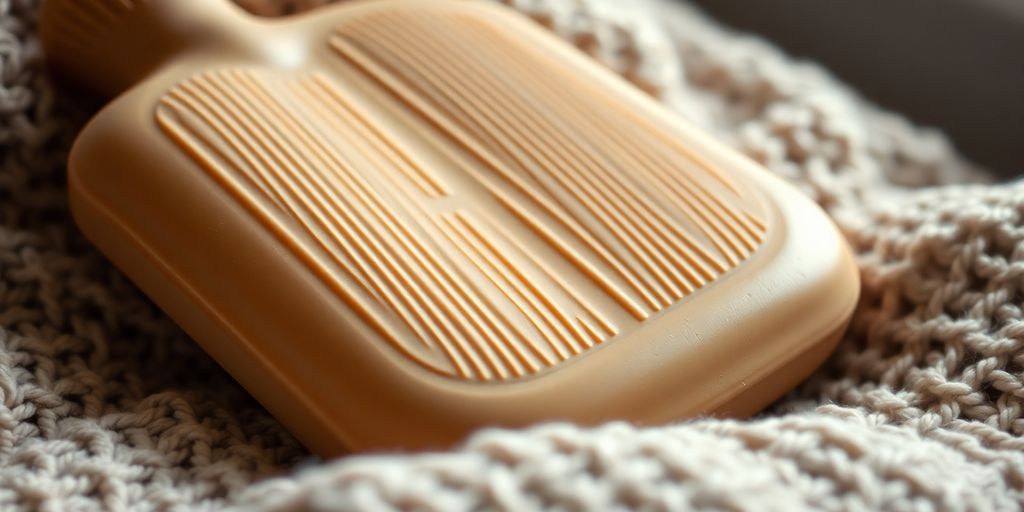
Okay, so this one might sound like something your grandma used to do, but hear me out. During the Great Depression, people got really good at conserving heat. One simple trick? Using a hot water bottle.
Instead of cranking up the thermostat, they’d fill a hot water bottle and take it to bed. It’s a surprisingly effective way to stay warm, and it can seriously cut down on your heating bill. Think about it: you’re only heating yourself, not the entire house. Plus, it’s kind of cozy, right? I mean, who doesn’t love a little extra warmth on a cold night?
It’s a small change, but over the course of a winter, those savings can really add up. Plus, you’re being a little kinder to the environment by using less energy. It’s a win-win!
Here’s how I make the most of it:
- Fill the bottle with hot (but not boiling!) water.
- Wrap it in a towel or blanket to prevent burns and make it extra cozy.
- Place it in your bed about 15-20 minutes before you get in, so your sheets are nice and toasty.
- Snuggle up and enjoy the warmth! You can even use it on the couch while watching TV.
It’s a simple, old-fashioned trick, but it’s one of those frugal living ideas that still works wonders today.
4. Sewing Skills
During the Great Depression, knowing how to sew wasn’t just a hobby; it was a necessity. Families stretched their budgets by making, mending, and altering clothes at home. It’s a skill that’s incredibly relevant today, especially if you’re looking to prepare for a recession.
Learning basic sewing skills can save you a ton of money. Instead of tossing out clothes with minor tears or missing buttons, you can repair them yourself. Plus, you can repurpose old fabrics into new items, reducing waste and saving even more.
- Mending clothes extends their lifespan.
- Creating new items from old fabrics reduces waste.
- Altering clothes ensures a better fit.
My grandma always said, “Waste not, want not.” She was a whiz with a needle and thread, and she could turn old flour sacks into dresses for my sisters. It wasn’t about being fancy; it was about making do with what you had. That mentality is something we could all use a little more of these days.
5. Errands

During the Great Depression, people didn’t just pop out to the store whenever they felt like it. They planned. They strategized. And you can too! It’s a simple way to practice frugal living.
Consolidating your errands into one day (or less!) per week can save you a surprising amount of money. Think about it: less gas, fewer impulse buys, and more time to focus on other things. It’s a win-win.
I used to run to the store almost every day. Now, I make a list, plan my route, and get everything done in one go. It’s amazing how much less I spend when I’m not constantly tempted by shiny new things.
Here’s how to make it work:
- Plan your route: Group errands by location to minimize driving time and gas consumption.
- Make a list (and stick to it!): Avoid impulse purchases by only buying what’s on your list.
- Consider alternatives: Can you walk, bike, or take public transportation for some errands?
6. Spending
It’s easy to let spending get out of control, especially with so many tempting things around. During the Great Depression, people became incredibly mindful of every single penny. We can learn a lot from that.
Not Keeping an Accurate Budget
One of the biggest mistakes people make is not knowing where their money actually goes. It’s easy to underestimate how much you spend and overestimate how much you save. Keep a close eye on your income and expenses.
Spending Freeze
Consider a spending freeze. This doesn’t mean you stop paying your bills! It means cutting out all non-essential spending. Only buy the absolute necessities. You’ll be surprised how much you can save by making do with what you already have.
Track Your Spending
One of the most effective ways to save money is to track your spending. It’s not enough to just create a budget; you need to see if you’re actually sticking to it. Use an app, a spreadsheet, or even a simple notebook to record every expense.
By tracking your spending, you can identify areas where you’re overspending and make adjustments. This awareness is the first step toward taking control of your finances.
Don’t Buy Things You Don’t Need
Remember the difference between needs and wants. It’s easy to get caught up in buying things you don’t really need, especially with clever marketing all around us. Before making a purchase, ask yourself if it’s something you truly need or just something you want. Waiting a bit before buying can also help you decide if it’s a necessary purchase.
7. Herb Garden
Okay, so maybe you don’t have a ton of space, or even a yard. That’s totally fine! Herbs are your friend. They don’t need much room, and you can grow them in pots on a windowsill. Seriously, even a tiny apartment can have an herb garden.
Think about how much those little plastic containers of fresh herbs cost at the store. It’s kind of crazy, right? Growing your own is way cheaper, and they taste better too. Plus, it’s just nice to have fresh herbs on hand whenever you need them.
I started my herb garden a few years ago, and it’s been a game-changer. I use them in everything from soups and salads to sauces and even cocktails. It’s amazing how much flavor a little bit of fresh herbs can add. And the best part? It saves me a ton of money at the grocery store.
Here’s a few herbs that are easy to start with:
- Basil
- Mint
- Chives
- Parsley
- Thyme
Start small, and see what you like. You can even dry your own herbs to use later, which is another way to save money. It’s a win-win!
8. Leftovers
Back in the Great Depression, tossing food wasn’t an option. Every scrap counted. Today, it’s easy to just order takeout, but learning to love leftovers can seriously lighten your grocery bill and reduce waste. It’s a win-win!
One thing my grandma always did was make “mystery soup.” It’s a fun way to use up all those little bits and pieces of leftovers.
Don’t be afraid to get creative! Leftover chicken can become chicken salad sandwiches, roasted veggies can be tossed into a frittata, and that half-eaten bowl of rice? Fried rice, baby!
Here are some ideas on how to use leftovers:
- Soup: Throw leftover veggies, meat scraps, and bones into a pot with broth for a hearty soup.
- Hash: Dice up leftover potatoes, veggies, and meat, then fry it all together for a quick and easy hash.
- Casseroles: Combine leftover cooked grains, veggies, and protein with a sauce and bake for a comforting casserole.
9. Pantry
Before you even think about heading to the grocery store, take a good, hard look at what you already have. It’s so easy to just grab a recipe online and buy all the ingredients, but that can really add up. People during the Great Depression didn’t have that luxury, and neither should we if we want to save money!
Instead, make it a habit to shop your pantry first. See what’s lurking in the back – those forgotten cans of beans, that half-used bag of rice, the spices you bought for one recipe and never touched again. Challenge yourself to create meals using what you already have. This is a great way to practice careful meal planning and reduce food waste.
It’s amazing what you can create when you’re forced to be resourceful. You might discover new favorite meals and flavor combinations you never would have considered otherwise. Plus, you’ll be saving money and reducing your environmental impact – it’s a win-win!
Here’s a simple process to follow:
- Take inventory: List everything in your pantry, fridge, and freezer.
- Get creative: Search online for recipes using your available ingredients. For example, if you have sweet potatoes, brown sugar, and butter, search for “sweet potato recipes”.
- Plan your meals: Create a meal plan based on what you already have, supplementing with only the essentials from the store.
This simple habit can drastically reduce your grocery bill and help you appreciate the food you already have. It’s a great way to embrace a more frugal and sustainable lifestyle. You can even make homemade meals with the food in your pantry and freezer.
10. Whole Chicken
These days, it’s super easy to just grab those pre-cut chicken breasts all neatly packaged. But honestly, that’s costing you more in the long run, and it’s way more wasteful! Buying a whole chicken is a total game-changer. Seriously, it’s like getting a three-for-one deal.
- First, you’ve got dinner for that night. Roasted chicken, anyone?
- Then, you’ve got leftovers for lunch the next day. Cold chicken sandwiches are the best!
- And finally, don’t toss those bones! You can use them to make a delicious, hearty stock.
A whole chicken often costs the same, if not less, than those pre-cut pieces. Plus, you’re getting way more meals out of it. It’s a no-brainer for saving money and reducing waste.
Believe it or not, a whole chicken can be cheaper than buying individual parts. Plus, you get so much more out of it. It’s a great way to save money on groceries and be resourceful in the kitchen. I’ve found that a single chicken can easily stretch into multiple meals, making it a budget-friendly option for feeding my family.
11. Meat
Meat can be a big expense. During the Great Depression, families found ways to make it stretch or replace it altogether. It’s a lesson that still holds up today. There are definitely ways to save money on meat, or even cut back without feeling like you’re missing out.
One thing to remember is to check your pantry first. You might be surprised what you can find to make a meal without needing to buy more meat.
- Eat less meat.
- Stretch meat with fillers.
- Make soup with scraps and bones.
During the Great Depression, people got creative with leftovers. One clever idea was to keep a container in the freezer for small bits of meat, veggies, and broth. Once full, it became “mystery soup,” a fun way to use everything and avoid waste.
Consider cheaper protein sources. Lentils, beans, and eggs are all much more affordable than meat and can be just as filling. Plus, they’re good for you! Eating less meat is also a more sustainable choice.
12. Reusable Products
One of the biggest lessons from the Great Depression is the value of making things last. It wasn’t just about saving money; it was about respecting resources and minimizing waste. Today, we can apply that same mindset by embracing reusable products.
Cloth Instead of Paper
Think about how much paper we use daily – paper towels, napkins, tissues. Switching to cloth alternatives can make a real difference. Cloth napkins are an easy swap, and you can even cut up old t-shirts or towels to use as cleaning rags. Plus, they’re washable, so you can use them again and again. My grandma always had a stack of cloth handkerchiefs, and honestly, it’s a habit I’ve picked up too. It feels good to reduce waste.
Ditch Disposable Containers
Plastic containers are everywhere, but they add up. Instead of buying new plasticware, reuse yogurt containers or save plastic containers from store-bought food. They’re perfect for storing leftovers. Just remember not to microwave them! For packed lunches, invest in some reusable containers and bags. It’s a small change that can save you money and reduce your environmental impact.
Repair and Mend
Instead of tossing clothes with small tears or holes, learn to sew or darn them. My mom taught me how to sew on a button, and it’s come in handy more times than I can count. You can also polish and resole shoes instead of buying new ones.
Shoe repair shops used to be common, and they’re still around! Extending the life of your clothes and shoes is a great way to save money and reduce waste. Learning some basic sewing skills goes a long way when repurposing or making new items out of old things.
Reusing items until they are worn out is an easy change. Just step into your local thrift stores and see all the clothing, shoes and household stuff that is barely used and ready for more wear. It will be a significant savings for you and make good use of items that would otherwise fill our landfills.
Reusable Shopping Bags
This one’s pretty obvious, but it’s worth mentioning. Keep a stash of reusable shopping bags in your car or by the door so you don’t forget them. Plastic bags are terrible for the environment, and many stores now charge for them anyway. Reusable bags are a simple and effective way to reduce waste and save money. Plus, they’re often sturdier than plastic bags, so you can carry more at once.
Make Your Own Cleaning Products
Did you know you can clean your whole house with vinegar? It’s true! Vinegar is a cheap and effective cleaner for floors, windows, bathrooms, and more. You can also make your own laundry detergent and other cleaning products using simple ingredients. Not only will you save money, but you’ll also avoid harsh chemicals. I wanted to rid my cleaning supplies of nasty chemicals, so I did a little research to learn how to clean my house with vinegar.
A 21st-century lifestyle with Depression-era savings!
So, what’s the takeaway here? It’s pretty simple: a lot of those old ways of doing things still make sense today. We’re not saying you need to start living like it’s 1931, but picking up a few habits from your grandparents’ time can really make a difference. Just try adding a couple of these ideas into your daily life. You might be surprised how much they help you save money and feel better about your finances.
Frequently Asked Questions
Can you use these Depression-era ideas to save and still have fun?
You can definitely use these old-school ideas to save money and still have a good time! By making some of these tips part of your daily life, you’ll save cash without even thinking about it.
What is the best Depression-era idea to save money?
One of the best ways to save money, inspired by the Depression era, is to grow your own food. Start a garden, learn how to save and store what you grow, and find smart ways to make your food budget go further.
How do you live frugally?
Living frugally means you pay close attention to where your money goes. You always look for ways to save, but you still enjoy a good quality of life. The tips here are a great start, and there are many more ways to be frugal.
What was the Great Depression?
The Great Depression, from 1929 to 1939, was the worst economic downturn in U.S. history. The stock market crashed, many people lost their jobs, and factories made much less stuff. It was a tough time for everyone.
What does ‘frugal living’ really mean?
The main idea of frugal living is to be smart with your money and resources. It means making careful choices about what you buy and how you use things, so you can save money and reduce waste. It’s about getting the most out of what you have.
What’s an expert tip for layering savings ideas?
To save the most money using these tips without getting tired of it, try mixing easy changes with a few harder ones. For example, you could use up what you have before buying new things and check your pantry before grocery shopping (these are easy). Then, you might also try making your own soap (this takes more time but saves a lot).
Back to Ways to Save Cash
Are you looking for better ways and tools to build your monthly revenue and brand? Be sure to check out our other resources located here to speed up the process.
Nathan
Dr. Nathan Pennington, DBA, earned his Doctor of Business Administration degree from the University of Missouri-St. Louis and brings over 15 years of online entrepreneurial experience in helping people learn how to blog, earn income online and build passive income streams outside of what the school system teaches.


